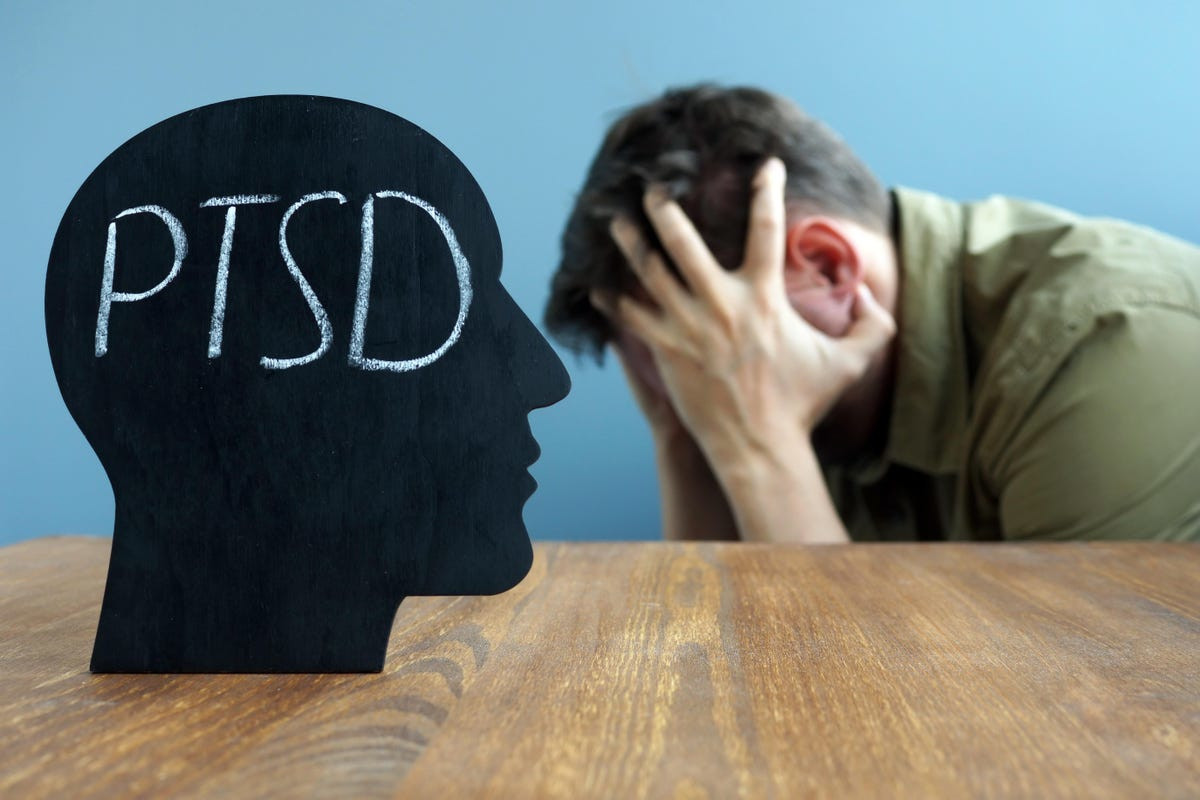
Post-traumatic stress disorder (PTSD) is a mental health condition triggered by a traumatic event. People who experience PTSD may feel like they are reliving the events of the trauma in vivid flashbacks, intrusive thoughts or images, nightmares, and physical sensations. It’s essential to be aware of the signs of PTSD to identify it and get help if necessary. Let’s take a look at the five signs of PTSD.
1. Reliving Aspects of What Happened
One sign of PTSD is that people may experience intense distress when reminded of the traumatic event. This could include reminders that occur in real life or symbols related to the trauma. For example, someone who experienced a car accident might feel intense fear or anxiety when driving or seeing another car accident. Other common symptoms include feeling detached from others around them, avoiding certain activities or places because they remind them of the trauma, and difficulty sleeping. These reactions can interfere with their daily life and make it difficult to carry on with their usual responsibilities and relationships.2. Vivid Flashbacks
Another sign of PTSD is having vivid flashbacks where it feels like the trauma is happening right now. These flashbacks can be triggered by certain sights or sounds that remind a person about the trauma. People experiencing flashbacks often struggle to distinguish between what happened in the past and what’s happening in reality at present; as such, these flashbacks can be very distressing for them as they may feel like they’re going through it all over again.3. Intrusive Thoughts/Images
People with PTSD may also have intrusive thoughts or images related to their experiences during a traumatic event. These thoughts can come out of nowhere and startle them into fear or panic without warning; even simple tasks can become challenging to complete due to these sudden intrusions into their mental space. Additionally, people with PTSD often have difficulty concentrating due to these intrusive thoughts, making it hard to focus on tasks or process new information quickly.4. Intense Distress at Real/Symbolic Reminders of Trauma
Finally, people with PTSD often experience intense distress when faced with real-life or symbolic reminders about their traumatic event(s). Even something as small as seeing a news story about an event similar to theirs can trigger an intense emotional response in those living with PTSD, making it hard for them to cope with everyday situations involving triggers related to their experiences during trauma(s).5. Nightmares
Post Traumatic Stress Disorder (PTSD) is a mental health condition triggered by witnessing a traumatic event, such as war, natural disaster, or severe accident. An unfortunate symptom of PTSD is recurrent nightmares that may cause feelings of terror and helplessness, making it difficult to get a good night’s sleep. People suffering from PTSD nightmares may also have difficulty concentrating during the day due to a lack of sleep. Those who suffer from these nightmares can reduce their frequency, intensity, and duration by forming healthier sleep habits, talking to a doctor about medication or therapy options, and reaching out for support if needed. With proper treatment and care, those with PTSD nightmares can start sleeping soundly again.Alertness or feeling on edge
This can include:- Panicking when reminded of the trauma
- Being easily upset or angry
- Extreme alertness is also sometimes called ‘hypervigilance.’
- Disturbed sleep or a lack of sleep
- Irritability or aggressive behavior
- Finding it hard to concentrate – including on simple or everyday tasks
- Being jumpy or easily startled

Why does PTSD have physical effects?
When someone is exposed to a traumatic event, their body’s natural response is to release hormones like cortisol and adrenaline to prepare for danger. This mechanism is called the ‘fight, flight, or freeze response. Although the threat may have been eliminated, people with PTSD may continue to produce these hormones, which can lead to symptoms such as being startled, feeling extra alert, and physical symptoms such as headaches, dizziness, chest pains, and stomachaches. The link between emotional stress and physical symptoms further illustrates how closely the mind and body are connected in times of difficulty.Other effects of PTSD
If you are experiencing symptoms of PTSD, you might also find that you have difficulty with some everyday aspects of your life, such as:- Looking after yourself
- holding down a job
- maintaining friendships or relationships
- remembering things and making decisions
- your sex drive
- coping with change
- You are simply enjoying your leisure time.
Recognizing the signs of post-traumatic stress disorder (PTSD) is essential for individuals who have experienced trauma to seek help, if necessary, and get on track toward recovery. The five signs discussed above are some common indicators associated with this mental health condition; however, not everyone will experience all five symptoms equally. Recognizing personal triggers and understanding how each individual reacts differently is critical for successful treatment plans tailored specifically for those experiencing PTSD symptoms. If you think you are struggling with post-traumatic stress disorder, don’t hesitate to seek professional help. Many resources today are dedicated solely to helping individuals dealing with this condition cope effectively over time!
Contact us today at 816.708.0508 or schedule your appointment online.